

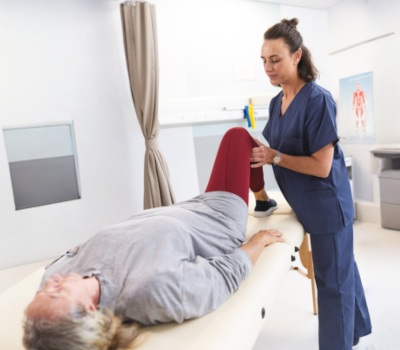
 While surgery may be recommended for different reasons, many patients have similar questions about recovery. They may be dealing with pain, limited mobility or uncertainty about when they’ll feel like themselves again. With compassionate guidance from a physiatrist, managing each stage can feel more supported and easier to navigate.
Rehabilitation often starts soon after surgery, depending on the procedure and care plan. As healing continues, patients may transition to a short-term rehabilitation setting for additional support with strength, mobility, pain management and daily activities.
If you’re unfamiliar with physiatry, understanding the role these professionals play in a rehabilitation plan can help you or your loved one prepare for a stay with West Hartford Health & Rehabilitation Center.
What Is Physiatry and What Does a Physiatrist Do?
A physiatrist is a medical doctor who specializes in Physical Medicine and Rehabilitation. Their goal is to help patients improve movement, manage pain, regain strength and restore function after surgery, illness, injury or a change in physical ability.
Physiatrists look at how the whole body works, including how the bones, muscles, nerves and joints affect movement, healing and pain:
- Each patient is seen as unique, rather than treated as a routine case during recovery.
- Beyond symptom management, care focuses on identifying and treating the root cause of a concern, ideally without surgical intervention.
- Their whole-person approach can support recovery from many concerns, including sports injuries, age-related changes, neurological conditions and post-surgical limitations.
- Physiatrists typically work across medical specialties to guide patients toward key recovery milestones.
- Long-term recovery will focus on improving strength to reduce complications, repeat injuries and readmission rates.
How Does Physiatry Support Surgical Recovery?
For many patients, physiatrists play an important role in shaping the rehabilitation plan after surgery. They help determine and organize their therapies while anticipating any delays in healing. As your plan progresses, they will assess how your body responds, coordinate other specialists and investigate concerns that may arise.
From building your path to renewed health to preparing for your return home, you’ll work with a physiatrist during key moments of your recovery.
Creating a Personalized Care Plan
While the benefits of physical therapy and occupational therapy post-surgery cannot be overstated, each patient’s needs unfold a little differently. A physiatrist will arrange this timeline from looking at the big picture, adjusting as the rehabilitation process begins:
- Initial Evaluation: In the hospital, a physiatrist will assess your functional limitations to determine which therapies will best support your recovery. Their observations establish the basis for your post-recovery plan.
- Comprehensive Health Assessment: Throughout your recovery, a physiatrist will examine more than your movement and healing. They’ll also monitor your blood pressure, medication usage and any pre-existing conditions.
- Full-Body Support: Pain management therapies and assistive technologies may be recommended to support your body as it regains strength and movement.
Helping with Pain Management
Pain, fatigue and brain fog can make movement more difficult and slow the recovery process. For patients, rehabilitation goals feel reachable when pain is effectively managed. Energy and range of motion gradually return, making therapy sessions feel like less of a chore.
Rather than focusing only on medication, a physiatrist looks for the source of pain and how the body responds. Their approach may include:
- Physical therapy for pain management
- Injections to calm nervous system activity
- Passive procedures that help wound healing
- Mobility and assistive devices to perform daily activities
- Effective alternative treatments, such as dry needing
- Considering how mental health affects motivation and confidence
Managing Your Overall Care
From the hospital to your short-term rehabilitation stay, you may work with many different providers. A physiatrist’s guidance proves valuable through each recovery phase:
- Coordinating Specialists: Your provider will determine who you see and when, as well as the purpose of each visit, so you can fully focus on healing.
- Working Across Disciplines: Throughout recovery, your physiatrist may serve as a central point of communication among your care team to deliver an optimal outcome. At different stages, they’ll be in contact with your primary care doctor and surgeon, as well as your physical, occupational and speech therapists, neurologists, oncologists, nurses and social workers.
- Being a Patient Advocate: Your physiatrist’s recommendations help to eliminate unnecessary therapies and specify when a provider will come to you.
- Making Adjustments: Your physiatrist will routinely assess the efficacy of their plan, adapting goals and treatments with every new development. As you get better, they’ll help you plan a smooth, safe return home.
Rehabilitation for a Range of Conditions
Physiatrists create recovery plans for surgical and non-surgical concerns. You’ll be referred based on their specialty, including:
- Neurological Recovery: Strokes, traumatic brain injuries, spinal cord injuries, neurological conditions, progressive conditions
- Orthopedic and Mobility-Related Recovery: Joint replacement, orthopedic injuries, arthritis, athletic injuries, herniated discs
- Complex Medical Recovery: Cardiac care, organ transplant, post-amputation care
Frequently Asked Questions About Physiatry and Surgical Recovery
Q. What does a physiatrist do after surgery?
A. A physiatrist helps guide rehabilitation after surgery by evaluating pain, mobility, strength and function. They may recommend therapy, assistive devices, pain management strategies or changes to the care plan as the patient progresses.
Q. Is physiatry the same as physical therapy?
A. No. A physiatrist is a medical doctor who helps oversee the broader rehabilitation plan, while a physical therapist provides exercises and movement-based treatment. However, they often work together to support recovery.
Q. Why might I see a physiatrist during short-term rehabilitation?
A. During short-term rehabilitation, a physiatrist can help monitor recovery, adjust therapy recommendations, manage pain and support a safe transition home.
Planning Your Surgical Recovery?
At West Hartford Health & Rehabilitation Center, our short-term rehabilitation team helps patients recover with personalized therapy, coordinated care and access to in-house physiatry. Whether you are recovering from surgery, illness or a change in mobility, our goal is to help you rebuild strength, improve function and prepare for a safe return home. To learn more about our physiatry services, contact us today.